Our Blog

The Effects of Biting Your Nails

January 4th, 2017

Also known as onchophagia, the habit of nail biting is one of the so-called “nervous habits” that can be triggered by stress, excitement, or boredom. Approximately half of all kids between the ages of ten and 18 have been nail biters at one time or another. Experts say that about 30 percent of children and 15 percent of adults are nail biters, however most people stop chewing their nails by the time they turn 30.

Here are four dental and general reasons to stop biting your nails:

1. It’s unsanitary: Your nails harbor bacteria and germs, and are almost twice as dirty as fingers. What’s more, swallowing dirty nails can lead to stomach problems.

2. It wears down your teeth: Gnawing your nails can put added stress on your pearly whites, which can lead to crooked teeth.

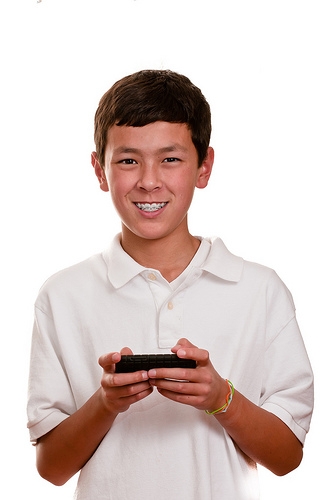
3. It can delay your orthodontic treatment: For those of our patients wearing braces, nail biting puts additional pressure on teeth and weakens roots.

4. It can cost you, literally: It has been estimated that up to $4,000 in extra dental bills can build up over a lifetime.

Dr. Shadow Asgari and Dr. Samantha Vu and our team recommend the following to kick your nail biting habit:

  • Keep your nails trimmed short; you’ll have less of a nail to bite.
  • Coat your nails with a bitter-tasting nail polish.
  • Ask us about obtaining a mouthguard, which can help prevent nail biting.
  • Put a rubber band around your wrist and snap it whenever you get the urge to gnaw on your nails.
  • Think about when and why you chew your nails. Whether you are nervous or just bored, understanding the triggers can help you find a solution and stop the habit.
  • If you can’t stop, behavioral therapy may be an effective option to stop nail biting. Ask Dr. Shadow Asgari and Dr. Samantha Vu and our team for a recommendation.

New Year's Eve

December 28th, 2016

Watching the clock tick down the final seconds until midnight, many of us- Sonoran Smile Orthodontics included- feel nostalgic about the passing year and hopeful about the new one to come. New Year’s Eve is one of the most widely celebrated holidays in the world, with over-the-top celebrations taking place in dozens of countries. The Gregorian calendar, which is widely used in Western nations and around the world, was implemented in 1582. Since that time, December 31st has marked the final day of the year, with midnight heralding the beginning of a brand new year. In the United States, New Year’s Day is a public holiday; government offices, schools, public organizations, and many businesses are closed for the day. Ponder the following fun facts as you think about your plans for the holiday:

  • Approximately one billion people watch the New Year’s Eve ball drop in Times Square, New York City. This televised event is one of the most iconic New Year’s celebrations in the world. For many years, watching the ball drop meant tuning in to Dick Clark’s Rockin’ New Year’s Eve, an iconic television special dear to the hearts of many viewers.
  • The idea for the New Year’s Eve ball came about because of a citywide ban on fireworks. Before 1907, when fireworks became illegal in New York City, celebrations included an elaborate fireworks show. The large, glittering, illuminated ball was developed as an alternative. Although the first ball was heavy at 700 pounds, the modern New Year’s Eve ball is made of Waterford crystal and tips the scale at six tons!
  • The top five New Year’s resolutions are: to lose weight, quit smoking, get a new job, return to school, or increase personal savings. However, approximately 88% of New Year’s resolutions fail. But don’t let that discourage you! Resolutions are most likely to succeed when they are clear, achievable goals. Setting out a concrete plan to achieve your resolution also boosts your chances of success.
  • Eating black-eyed peas on New Year’s Day is said to bring good fortune in the new year. Collard greens, cabbage, and ham hocks are also considered lucky foods to enjoy. Just steer clear of the chicken or turkey dinners; eating poultry is a bad omen for the year to come.

Whether you plan to stay in Chandler, Gilbert, or Phoenix, AZ, or head out into the crowds to watch the ball drop in Times Square, New Year’s Eve is a time to enjoy friends and family. Send your loved ones well wishes for the New Year, and look for that special someone to share a midnight kiss with for good luck!

Tips for Using Invisalign®

December 21st, 2016

More than one patient has come into our office and asked, “What can I do to help my teeth when wearing Invisalign?”

While everyone’s teeth and dental needs are different, there are certain things everyone can do to make wearing their Invisalign aligners a more rewarding experience. Always follow the list of instructions and tips from Dr. Shadow Asgari and Dr. Samantha Vu, and add the following advice to your daily routine.

Always ask us about teeth whitening. Our team at Sonoran Smile Orthodontics knows how important it is for you to keep your teeth white and stain-free from the foods and drinks you consume daily. If you have attachments to your teeth, they will not whiten properly. Ask our office about teeth whitening when wearing your aligners; it might be best to wait until your treatment is complete.

Continue flossing every day. You should be flossing in any case. But it can be easy to assume that Invisalign will protect your teeth from bacteria. This is not true. Bacteria can get behind the aligners and affect the health of your teeth and gums, so keep up with your flossing schedule.

Follow the 48-hour rule when wearing your aligners. When you insert every new set of aligners, you should leave them in as much as possible during the first 48 hours. Your teeth will move more during this timeframe, and the aligners do the most good during this time.

You may experience slight discomfort while wearing your Invisalign aligners. You can take a pain reliever to help with the discomfort, but if you experience too much pain, please give us a call at our convenient Chandler, Gilbert, or Phoenix, AZ office to schedule an appointment!

Adults and Braces: Not just for kids anymore

December 14th, 2016

Just hearing the word “braces” can take many of us back to junior high — that painful era when we wore unattractive glasses, endured unflattering haircuts, and carried a mouthful of braces to complete the awkward adolescent look. Despite the common assumption that braces are for kids, more and more adults are choosing to pursue orthodontics to correct their smiles.

Braces for Adults

Perhaps you never had braces as a kid and you are embarrassed by your crooked teeth. Or you went through a round of braces a decade ago and stopped wearing your retainer, which allowed your teeth to shift. Whatever your personal history, wearing braces in adulthood is an excellent way to create the straight, beautiful smile you deserve.

What are my options?

With recent advances in orthodontic medicine, there are numerous options for adults who need braces. The basic option is traditional metal braces. These are best for individuals who have severely crooked teeth or a significant bite problem, or require other major orthodontic changes. Metal braces are typically the least expensive option. The greatest drawback to wearing metal braces as an adult is aesthetics. Many people find them unattractive and distracting.

If you are a professional who is worried about your personal appearance, clear ceramic braces may be a better choice. Clear braces are capable of handling very crooked teeth or bite issues, but they cost more than metal braces. You also have to be careful about smoking or drinking red wine, soda, and other dark beverages while wearing clear braces. These items may stain the adhesive that binds the brackets to your teeth.

Another popular option for adults who need braces is a clear aligner treatment, such as Invisalign®. This system works in a different way from traditional braces by applying a series of clear, retainer-like aligners. The series is custom made for your teeth, which makes this option more expensive than either metal or ceramic braces. In general, the Invisalign process takes anywhere from three to 18 months to complete. You should be aware that Invisalign is not as effective as traditional braces in treating bite problems, teeth that are lower or higher than others, or severely overcrowded teeth.

Although you may be nervous about the prospect of getting braces as an adult, you should not let your fears stop you from talking with Dr. Shadow Asgari and Dr. Samantha Vu. A consultation at our Chandler, Gilbert, or Phoenix, AZ office will address your concerns and provide information about the best course of treatment for you. No matter what your personal situation, adult braces can be a great way to boost your confidence and create the smile you’ve always dreamed of.

Back to Top
Sonoran Smile Orthodontics Powered by ZocDoc Doctor Directory